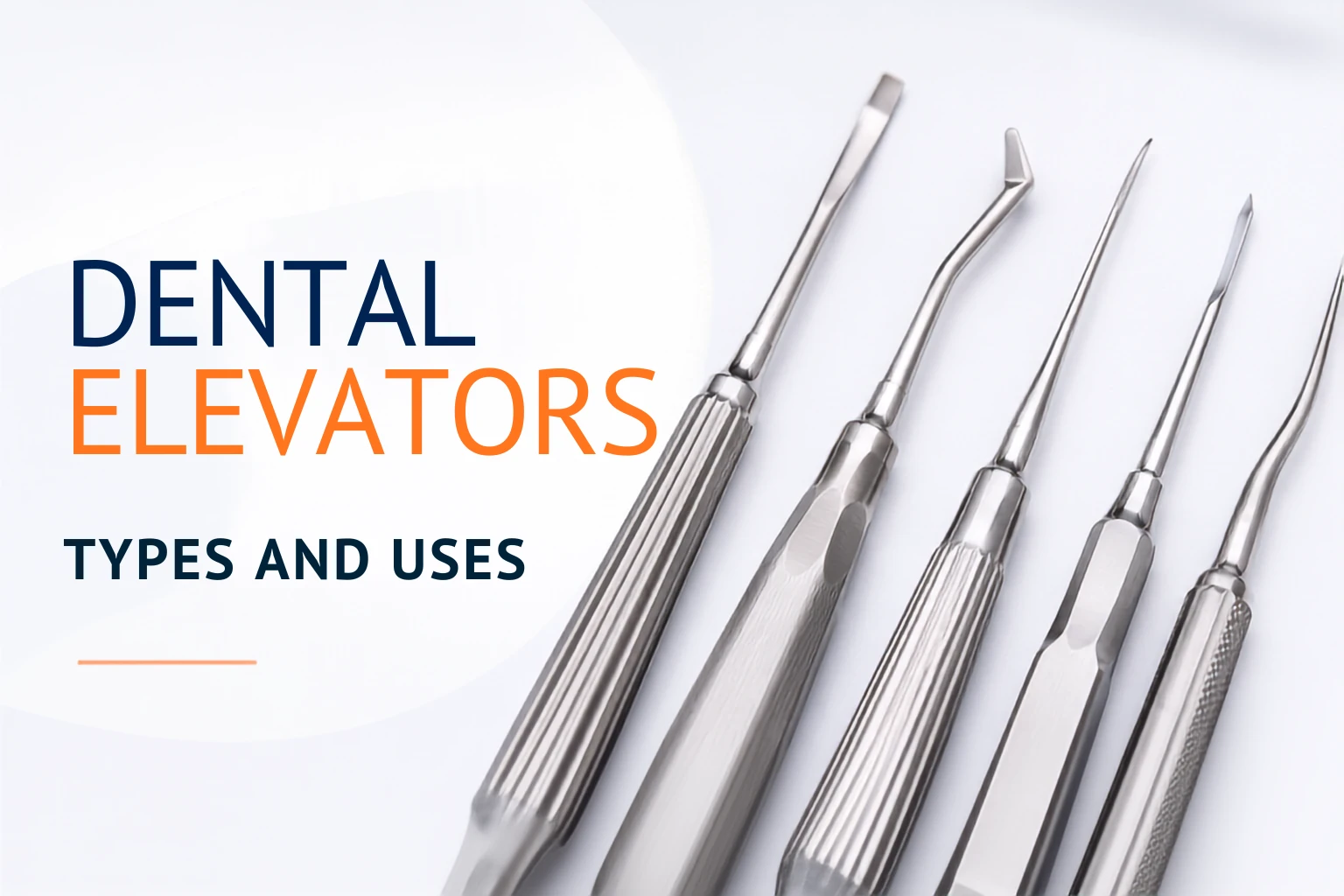

Dental Elevators: Types and Uses
Dental elevators are a class of oral surgical instruments that are used to gradually loosen teeth from their sockets by displacing the periodontal ligaments. They are used in combination with forceps, which usually deliver the final effort to extract the tooth. There are a variety of elevators, including straight, triangular (Cryer), “pick” (root) elevators, luxating elevators, etc. They differ in their design and are used depending on the shape of the root and the available space around it. Straight elevators (e.g. No. 34) have a chisel like edge and are used to separate the root from the socket, gradually widening the gap. Meanwhile, fine root tip picks (e.g. #79/80 or Heidbrink picks), which have a pointed working edge, are used to extract small fragments of broken roots. In general, by opening the socket, an elevator reduces the force needed to extract the tooth. This article discusses the main types, use indications, and selection criteria for dental elevators. Moreover, essential information about common mistakes, product sets, and elevator maintenance is provided below.
What You Need to Know
Dental elevators are oral instruments that facilitate tooth root separation by displacing the periodontal ligaments. The main types of elevators are straight, triangular (Cryer), and root (pick) elevators, with specialized luxating elevators. In general, elevators provide leverage to widen the socket around the root. To choose the right elevator, focus on the working end and consider the root’s size and location. For example, use a narrow pick elevator to extract the fragment of an upper molar root, while a straight elevator is suitable for anterior teeth. Additionally, remember to keep the instruments clean and disinfected to ensure a safe and efficient procedure. Following such recommendations will help you make the right choice effortlessly.
Understanding Dental Elevators: Types, Uses & Selection
Dental elevators play a major role in tooth extraction because they allow the dentist to gradually loosen the tooth from the socket without causing significant trauma. These instruments are generally designed as levers or wedges; their thin end is inserted between the root and the socket bone to widen the space by rotational or levering force, thereby separating the tooth. According to one review, elevators “luxate the tooth by displacing forces that sever the periodontal ligament around tooth roots,” thereby expanding the socket. In other words, dental elevators facilitate the use of forceps by loosening teeth or by removing the separated root fragments. Overall, using an elevator is essential in almost every dental extraction to reduce the patient’s discomfort and the required effort.
Dental elevators can be used both for simple extractions and for more complicated surgical procedures. Depending on the design, various types of elevators are used to extract different teeth and separate roots. Straight (gouge or Wedelstaedt) elevators, which usually have a handle, straight shank, and a slightly curved flat blade, are universal and are used to separate the tooth root from the alveolar bone. In turn, triangular or East West elevators (also known as Cryer elevators) have a triangular working end at the right angle to the shank and come in pairs (left and right). The main difference between straight and triangular elevators is that the latter ones are generally used to extract multi rooted teeth. By inserting their tips into the furcation of the root, Cryer elevators can be used to lever out separated root segments in accordance with the wheel and axle principle. On the other hand, pick type (root) elevators are primarily used to extract broken root tips. They have a very narrow and pointed working edge to access the socket and widen it.
It is also noteworthy that dental elevators are different from luxators. Usually, luxators have a very thin and sharp blade, while elevators have a thicker and more resilient one. Additionally, elevators are used to lever out the root, while luxators are used to simply cut the periodontal ligament. Due to the delicate structure of their cutting edge, luxators should be handled carefully so as not to damage the surrounding tissues.
In practice, however, a dentist often uses an elevator to remove the root in all situations, including when there is a need to separate the root. Even when there is a possibility of using special periotomes, which cut the ligaments with minimal pressure on the alveolar bone, doctors still prefer traditional methods. It is sufficient to carefully insert the thin and resilient elevator blade into the socket and separate the root by rotation. Thus, in almost all cases, elevators simplify and accelerate the removal of the tooth root by sequentially cutting the periodontal ligaments. As one article puts it, “choosing the appropriate dental elevator plays a vital role in reducing surgical trauma, facilitating efficient clinical work, decreasing operator fatigue and optimizing extraction techniques.”

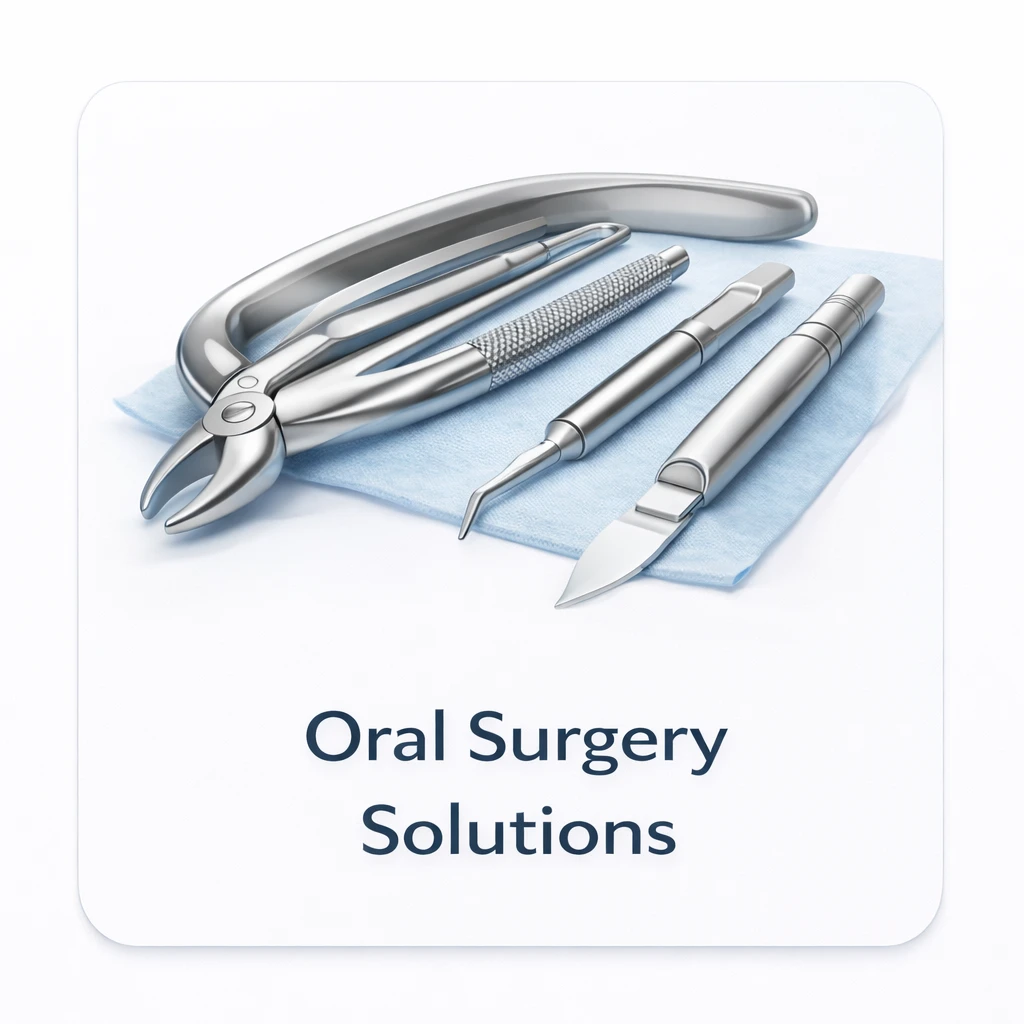
Fig. 1 Dental elevators of various types are used to separate the tooth root
Types
- A dental elevator typically consists of a working end, a shank, and a handle. According to one publication, “the working end determines the use of the elevator, the shank provides working comfort, and the handle is used for applying the necessary force.” The most common types of elevators are straight, chisel (Coupland) or spoon (spade) elevators, triangular or East West elevators (Cryer elevators), pick type or root elevators, and luxating (apexo) elevators.
- To begin with, straight elevators (also called gouges or Wedelstaedt elevators) are universal instruments that are used to widen the socket (Figure 1). According to another source, “the working end is flat, similar to a chisel, with the cutting edge at an angle to the shank.” Such elevators typically have a handle and a straight shank that widens slightly at the end. They are primarily used to separate the root from the alveolar bone and to expand the socket. For example, the most commonly used straight elevator is size 34, which is used to extract the upper and lower anterior teeth. Coupland elevators, in turn, are often used in the front, while the larger numbers (e.g. 9/10) are used in the molar region.
- Further, chisel elevators, which are often confused with straight ones, are similar to straight elevators but have a bent (forward or backward) working end (Figure 1). They are used to separate the tooth by cutting and expanding the socket. These elevators have a very strong working edge that is intended to cut the alveolar bone with minimal pressure. Chisel elevators come in two variations: forward and reverse bends (e.g. 77/77R, 92/93). They can be used to widen the socket when the tooth is partially erupted, which creates a gap between the root and the alveolar ridge. Moreover, chisel elevators are suitable for removing teeth and roots by prying. Meanwhile, spade or spoon elevators have a working end that is similar to a spade. They are wedge shaped and have a relatively large surface area to reduce the pressure on the alveolar bone when levering out the tooth. They are often used to extract both upper and lower molars due to their convenience.
- Pick type (root) elevators have a narrow, pointed working end that is suitable for removing broken root tips (Figure 1). Very often, this type of elevator has a pointed blade to enter the socket and widen it, thus facilitating the removal of the root fragment. The main advantage of pick elevators is their high degree of anatomical adaptability. They can be used in all areas of the mouth, including the maxillary molars. For example, the dentist can use a #79/80 or Heidbrink pick elevator to remove the root tip that has remained in the socket after the tooth has been removed. In turn, apical elevators are characterized by a very narrow, tapering working end and can have a cross shaped handle. They are used to extract broken roots and to widen the socket by inserting the instrument into the apical part of the socket. According to one article, apical elevators allow the dentist to reach the deepest part of the socket, which is inaccessible to other types of elevators. For example, there are several models of Miller apexo elevators (#73, #74), which have a narrow working end and allow the dentist to enter the socket at different angles.
- Gouges or wedges are another type of elevator, the main difference of which is the curved or rounded working end (Figure 1). These elevators are used to widen the socket and remove the tooth root. They are typically used on the posterior teeth, often on the third molars, since the curvature of their working end is similar to the root shape of these teeth. Finally, Seldin elevators have a thin, often winged working end that allows them to be inserted between the root and alveolar bone with minimal pressure on the surrounding tissues. Seldin elevators (#1L/1R) resemble Cryer elevators but have a smoother and less angular surface. They are primarily used to extract molars, but they can be used to remove other types of teeth as well. The working end of a Seldin elevator is inserted between the root and alveolar bone, after which the dentist leverages the elevator to widen the socket. The main advantage of these instruments is that their thin working end minimizes the pressure on the surrounding tissues. However, it is important to note that the winged design of these elevators can cause patient discomfort if not used properly.
- Heidbrink elevators are similar to pick or root elevators but have a more pointed working end. They are used to remove broken root tips but are primarily used on the front teeth. Heidbrink elevators have a narrow blade that allows them to be used in small spaces, which is very convenient when extracting incisors or canines. Finally, luxating elevators are primarily used in the maxilla to widen the socket and remove the root fragment. They typically have a very narrow and slightly sharpened working end to cut the periodontal ligament. Due to the delicate design, these elevators are generally used only to cut ligaments; root removal is performed by forceps. For example, luxury elevators often have a chisel like working end, which is used to cut the periodontal ligament by simply moving the elevator back and forth with the dentist’s hand on the handle. This instrument is ideal for minimally invasive extractions, which are increasingly popular in modern dentistry.
- In general, elevators are used in almost all dental extractions to widen the socket and remove the root. The dentist must choose the elevator depending on the socket size, the root shape, and the patient’s comfort. The most commonly used elevators include straight, chisel, and spoon elevators, which are suitable for the vast majority of extractions. To remove multi rooted teeth, doctors often use Cryer or Seldin elevators. Pick elevators are used to extract broken root tips, while apical or luxating elevators are used in special cases.

Fig. 2 An example of root-tip pick elevators
Uses / Applications
- Dental elevators are used in almost all extractions to widen the socket and separate the tooth root from the alveolar bone. In most cases, elevators are used to remove broken root tips, to widen the socket when extracting a tooth with forceps, or to separate the tooth root during surgical removal. For example, the dentist may use an elevator to gradually loosen the firmly seated tooth before extracting it with forceps. In such a case, the dentist will most likely use a small straight elevator (e.g. #34) to widen the socket around the tooth root by simply inserting the thin and resilient blade into the root gap and rotating the instrument. This is a fairly simple procedure that most dentists use.
- Another indication for using elevators is the surgical extraction of a separated root. For example, during the removal of the molar root, it is often necessary to section it first. After the molar root has been separated, the dentist can use either a Cryer or Seldin elevator to widen the socket and remove the root fragment (Figure 2). The dentist usually uses a pair of Cryer elevators (e.g. #1L/1R) to widen the socket and root separation by levering out the root (according to the wheel and axle principle). In turn, Seldin elevators can also be used to remove broken root tips.
- Moreover, elevators can be used when extracting broken root tips. In such cases, the dentist will most likely use a pick-type elevator, the purpose of which is to widen the socket to facilitate root removal (Figure 2). For example, root tip elevators often have a pointed working end to enter the narrow root socket. Thus, the dentist can gradually expand the socket to remove the remaining fragment of the root.
- The dentist can also use different elevators to access hard to reach areas, including the lower anterior teeth and the upper molars. In such cases, it is best to use a fine luxator or apical elevator to widen the socket without damaging the alveolar bone. At the same time, the dentist can use the spade elevator to extract the upper molars. The choice of instruments depends on the available space: wide elevators are used where there is enough space, and narrow elevators are used where the space is limited. Finally, modern dentists often take care of the alveolar bone during extractions, which means that they use various techniques to minimize bone trauma. For example, instead of expanding the socket, the dentist can use a luxator to cut the periodontal ligament. According to one article, dentists who want to preserve the buccal bone when removing the molar often use luxury elevators. Traditional elevators, in turn, are associated with greater bone trauma and are used only when the dentist needs to widen the socket to remove the tooth.
- The dentist also uses different elevators when there is a need to lever out the impacted tooth. In such cases, a curved elevator is often used, the working end of which is inserted along the longitudinal axis of the bone so as to engage the root. Winged elevators such as the Potts elevator can also be used to remove the upper molar root. Moreover, during dental surgery, elevators can also act as retracted tissue dissecting instruments. For example, the dentist can use the elevator’s handle to scrape away granulation tissue after the tooth has been removed.
- Overall, the dentist selects the elevator based on the root shape and the available space. Simple extractions of a loosened tooth may require only one type of elevator. More complex surgical procedures, in turn, require the dentist to use several elevators during the procedure (e.g. straight elevators to loosen the tooth, luxury elevators to cut the ligaments, and Cryer elevators to remove the multi-rooted tooth). In each patient’s case, the dentist considers the root shape, the location of the socket, and the patient’s comfort to select the elevator. By choosing the optimal instruments, the dentist will be able to remove the tooth with minimal trauma to the surrounding tissues.
How to Choose
- The dentist should choose the elevator based on the root shape and the available space, which is determined by the location of the tooth. First of all, the dentist should decide which type of elevator to use: straight, pick, Cryer (triangular), or another. For example, to loosen a single rooted anterior tooth, it is sufficient to use a straight elevator, while to remove a multi rooted molar, it is better to use Cryer elevators. It is also important to consider how much the socket is opened and what shape the root has. In addition, the dentist should consider the convenience of using the elevator: a longer or shorter shank, a smoother or pointed working end.
- First, the dentist needs to choose the shape of the elevator depending on the patient’s tooth. If the patient needs to remove the anterior tooth, which usually has a single root and a fairly large socket, the dentist should use a straight elevator. At the same time, the dentist should also consider whether the tooth is mobile or not. Second, the dentist needs to consider the root shape and the available space. This is especially important when there is a need to remove a broken root tip or when the socket is narrow. In such cases, a root tip elevator or a narrow straight elevator will be more convenient. Third, it is important to consider the working end of the elevator: a curved working end is used when the root has a curved shape and the dentist needs to enter the socket at an angle. Finally, the dentist can choose the required elevator based on the handle and its convenience for use. Some elevators have a ring, others have a large palm grip, which is more convenient for the dentist’s hand.
- In general, it is important to choose an elevator that can be used without putting the patient’s tissues at risk. The dentist should first perform a preliminary procedure and widen the socket to ensure enough space for the elevator. The dentist also needs to consider the patient’s comfort. For example, if the patient has a low mouth opening, the dentist will need a shorter elevator. In addition, if the patient has very dense bones (which is typical for older people), the dentist should use wide elevators. A more experienced dentist will be able to choose a more convenient elevator for a particular situation. However, an inexperienced dentist should rely on recommendations and instructions.
Product Recommendations
- When choosing dental elevators or sets, it is important to select a well-known and trusted manufacturer. Most dental elevators are made of high quality surgical stainless steel, which ensures a long lifespan and resistance to deformation: it is not recommended to use cheap elevators made of low-quality materials. Some manufacturers offer sets of elevators that contain several types and sizes of these instruments, which ensures value for money. For example, the DentMedHub catalog includes a large variety of elevator sets for different purposes (e.g. for the maxilla or mandible, for the front teeth or molars) in a variety of sizes. In addition, many sets list a series of various elevators (e.g. 4-6 types of elevators) and specific instruments for removing root tips. Moreover, the DentMedHub catalog contains a wide range of dental luxators and periotomes designed to cut periodontal ligaments with minimal stress on the alveolar bone. When selecting sets, it is important to note that some manufacturers guarantee all instruments in the set for life or for one year.
- When choosing elevators, it is important to take into account not only the type and size of the instrument but also its indications. For example, the doctor may need more than one elevator to remove a multi-rooted molar because there are several roots, which requires widening the socket and separating the roots. In such cases, the dentist should choose a set that contains the required number of instruments. A multi-instrument set ensures the removal of teeth without additional costs. Furthermore, when selecting instruments, the dentist should pay attention to the shape of the working end. Ideally, the elevator’s working end should be as close to the root as possible to minimize the risk of damaging the alveolar bone. For example, some elevators (e.g. Miller) can be used both on the upper and lower roots, but when extracting the upper roots, it is best to use narrower instruments. Finally, it is important to study reviews and recommendations on the Internet about a particular manufacturer. Most customers are interested in the cost-effectiveness, warranty, and comfort of using the selected set or elevator. Therefore, it is useful to read reviews to find out whether the dentist’s patient is satisfied with the purchase and whether there are any inconveniences due to the instrument’s design.
- DentMedHub also offers a wide range of dental elevators for sale. The company works with well-known domestic and foreign manufacturers (e.g. Millennium, A.Surgicals, NRS Surgicals, Jagson). Some sets contain elevators made by different manufacturers. When purchasing from DentMedHub, it is important to choose a set based on the indications, as well as the customer’s personal preference (e.g. the shape of the handle). DentMedHub offers sets that are suitable for both novice doctors and seasoned professionals. For beginners, it is a good idea to choose a beginner set, which, as a rule, contains the most commonly used elevators for extractions. More experienced dentists, on the other hand, can choose a set with a higher degree of specialization and more convenient handles. When ordering, it is necessary to clarify whether there are guarantees and whether the desired set is available in stock.
Care / Maintenance
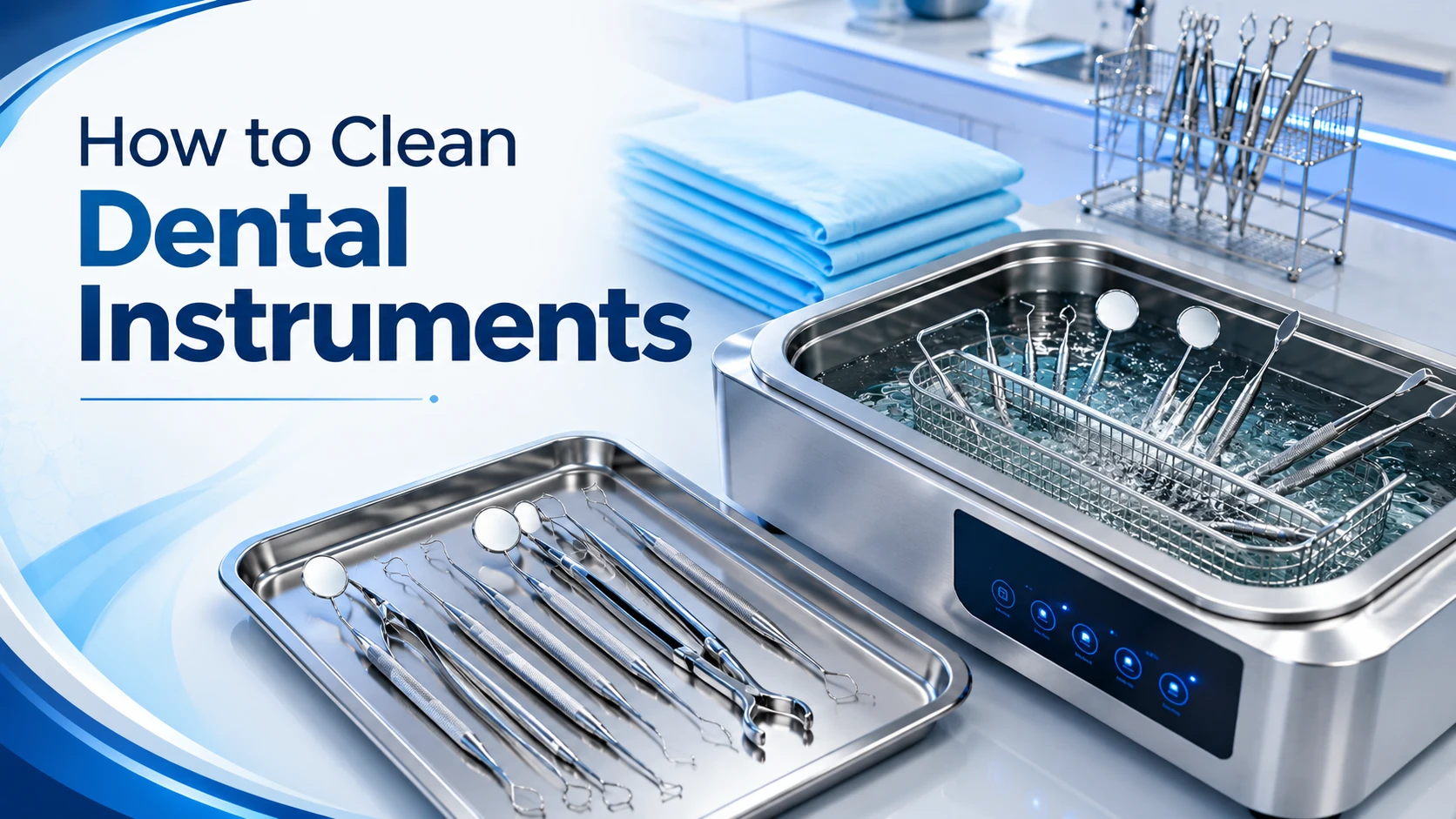
The dentist must properly care for the elevators because they come into contact with human tissues. In most cases, dental elevators are classified as a semi critical category of medical devices, meaning they require thorough cleaning and disinfection after each use. Failure to do so can lead to disease transmission via contaminated instruments. To ensure that the instruments are free from pathogens, the dentist can use mechanical and chemical disinfection methods. A detailed overview of caring for elevators and other dental instruments can be found here.
Follow these key steps:
Pre-cleaning: immediately after use, rinse the elevator in running water to remove blood or particles. To loosen the dirt, gently brush the elevator with a soft brush. Avoid brushes and pads with metal threads: these destroy the steel. If pre cleaning is not possible, then for the time being, it is necessary to soak the elevator in an enzymatic solution.
- Cleaning: the next step is to thoroughly clean the elevator of any debris. You can do this by hand or in an ultrasonic bath. To do this, use a neutral detergent or an enzymatic solution appropriate for the material of the elevator. After cleaning, rinse the elevator with distilled water to remove any trace of detergents.
- Drying: always dry the instruments before sterilization. It is best to use air dryers for this. Do not forget to inspect the instrument: pay attention to possible signs of rust or pitting, deformation of the blade, or its dullness. In addition, check whether all elevator handles are in good working order. If defects are found, the elevator is sent for repair or destroyed. A defective elevator “not only reduces the efficiency of the procedure but also poses a hazard to the patient”.
- Sterilization: the most common and recommended method of sterilizing an elevator is steam sterilization. To do this, place the elevator in special bags or a cassette and subject it to autoclaving at a temperature of 121–134 ° C. It is necessary to determine the optimal temperature for each type of elevator. Autoclaves should also be certified and equipped with the necessary indicators. If there is no such option, you can use a dry heat sterilizer. It is less common, but it is also highly effective, although it takes more time. In addition, you can use cold sterilization methods, however, they are more laborious and require special preparations (e.g., glutaraldehyde).
- Storage: after sterilization, the elevator must be stored in a suitable place in special bags or a cassette. Do not store sterilized and non sterilized elevators in an unsterile environment. Elevators treated in this way must also be used in a first-in, first-out manner.
- Sharpening: keep elevators sharpened. If necessary, turn to professional sharpeners. In addition, elevators have a special geometry, so some of them may need a special sharpening technique. In addition, when handling elevators, it is mandatory to use PPE.
By following the instructions for use and care, you will not only ensure the safety of your patients but also prolong the working life of the elevators. It is important to remember that “Cleaning to remove debris … should always occur before … steam sterilization” as indicated in the CDC guidelines.
Common mistakes
Even the most experienced doctors can make mistakes when working with elevators and taking care of them.
- Inappropriate pre-cleaning: some clinicians may be tempted to simply rinse an elevator or wipe it with a cloth during pre-cleaning. As a result, blood or other organic debris will remain on the instrument after pre-cleaning. Such an elevator cannot be used for subsequent sterilization since organic debris will act as a barrier to disinfection. It is therefore forbidden to sterilize an elevator if it has not been properly cleaned. Always follow the pre-cleaning instructions to get rid of all dirt on the elevator.
- Using abrasive pads: some doctors believe that to get rid of all debris and sterilize an elevator, it should be scrubbed with rough pads. However, such cleaning damages the steel of the instrument. It is especially dangerous if the elevator has been previously cleaned using an enzymatic solution: metal becomes even more vulnerable. As a result, the abrasive cleaning may lead to micro injuries of the steel, which are difficult to see at first glance. The maintenance instructions for elevators clearly state that “it is advisable to avoid brushes and abrasive pads that may scratch and weaken the metal surface”.
- Inappropriate storage: sometimes doctors’ mistakes lead to the fact that already sterilized elevators are stored in unsuitable conditions. For example, instead of using special sterile bags or cassettes, some doctors store elevators in ordinary trays. As a result, the elevator may come into contact with various contaminants from the tray. To avoid this, doctors should follow the simplest rule: do not store sterilized instruments in open or inappropriate containers.
- Using a damaged elevator: using a damaged or improperly cleaned elevator is undesirable. A chipped or cracked elevator cannot be used since it is dangerous for the operator and the patient. On the one hand, such an elevator can no longer be used because the integrity of its working part is violated. On the other hand, the handle of the elevator may also be broken, which is fraught with hazards during the procedure. It should also be borne in mind that a dull elevator cannot be used since it will not allow the tooth to be removed as quickly as possible. According to the elevator maintenance instructions, using a damaged instrument “not only reduces the efficiency of the procedure but also poses a hazard to the patient”. Another reason not to use an improperly maintained elevator is its potential deformed cutting edge. As a result, the dentist will have to apply more effort to remove the tooth, which increases the risk of breaking the elevator.
- In addition, the elevator should always be held in a way that allows it to enter the lingual or buccal pockets at the desired angle. It is essential not to slide the elevator along the gum or the long axis of the tooth. The most common mistakes made by doctors when working with elevators are as follows: using the wrong elevator to remove the tooth root, applying too much pressure when trying to remove the tooth, trying to use the luxator as a heavy elevator and vice versa. All these mistakes are dangerous for several reasons. First, the use of an elevator that differs from the indicated type increases the risk of damaging the tissues around the tooth. Second, the incorrect removal of the tooth can lead to the fact that the root breaks inside the socket. Third, the use of too much pressure can lead to the fact that the elevator breaks the fragile root of the tooth.
- Using water for cleaning: when pre-cleaning and cleaning elevators, it is not recommended to use tap water. This type of water contains impurities that destroy the steel of the elevator. It is best to use distilled or deionized water when cleaning instruments.
- By avoiding these most common mistakes when working with and caring for elevators, doctors will ensure a comfortable and safe procedure for both themselves and their patients.
FAQ
Q. What are the two types of dental elevator instruments?
A: An elevator is a heavy duty dental instrument. It has a thick blade, often in the form of a bow, and is used to loosen teeth. The second type of elevator is called a luxator or luxating elevator. Unlike regular elevators, luxators have a thin and sharp blade and are used to incise the periodontal ligament of the tooth. In short, “Root Elevators typically have a broader, flat blade… Luxators have a thinner, sharper blade for cutting periodontal ligaments…”. It is important to note that luxators should not be used as heavy-duty elevators since they can break under pressure.
Q. What are the different types of dental elevators?
- A: There are several types of elevators. First, there are straight elevators. They are used mainly to widen the socket when removing the root. Second, there are Cryer or triangular elevators. They are recommended for removing sectioned roots. In addition, root-tip picks, apical elevators, and luxating or periotome elevators belong to this category.
- Apical elevators have a pointed blade and are used for working in narrow places. Luxators differ in their very thin and sharp blade and are used to incise the periodontal ligament of the tooth. Finally, root-tip picks are small thin-bladed elevators used to help remove broken roots. In addition to these basic tools, there are also special elevators, such as the Seldin and Heidbrink elevators and the Coupland elevator.
Q. What is a winged elevator used for?
- A: A winged elevator is a type of elevator with two wings at the base of its blade. The wings extend out and around the root to provide additional control and help lift the tooth out of the socket. For example, many elevators of the Seldin and Cryer types are considered to be winged elevators. Smooth elevators, also known as non winged elevators, do not have this feature. They have a smooth surface along the edges of the blade. The main feature of such elevators is their wedge-shaped cutting edge.
- A winged elevator can be used by a dentist in a situation where it is necessary to firmly hold the root while it is being lifted out of the socket. Such elevators, as mentioned above, have two wings at their base. These wings hug the root to give the dentist more control. However, an improperly selected elevator can lead to traumatic consequences for the patient. For example, a winged elevator in the wrong size can cause traumatic effects on the alveolar bone, leading to its fracture. An example of such a situation would be if a dentist tried to remove the upper jaw tooth with an elevator designed for the lower jaw.
- One of the experts points out that the wings of the elevator should be as close to the root as possible so that the dentist has a firm grip on the root. This reduces the risk that the instrument will slip. However, if the elevator is of the wrong size, the described measure may lead to the opposite effect: “The wings of the elevator … have a tendency to dig into and crush the surrounding alveolar bone”. Therefore, dentists should be especially careful when working with winged elevators.
- The main advantage of a winged elevator is obvious: having a larger surface at the base of the blade, such an elevator offers the dentist more control when removing the tooth. The disadvantage of such an elevator is obviously the increased risk of damaging the alveolar bone.
Q. Are elevators disposable?
A: No, elevators are not disposable. However, like all sharp surgical instruments, elevators can be cleaned, sterilized, and used again. This procedure is relatively simple and can be done in several steps. In addition, elevators should be carefully handled and stored so as not to damage their cutting edge. Remember that a damaged cutting edge cannot be used to quickly remove the tooth. It is particularly important to take care of the integrity of the elevator blade. If the elevator breaks, the dentist must immediately stop using it and send it for repair.
Q. What is a root-tip pick used for?
A: A root-tip pick, or apical pick, is a very small elevator. It has a pointed blade and is used to remove broken root fragments from the tooth socket. For example, elevators of this type can be used when the dentist needs to remove the root tip from the alveolar socket. To do this, the dentist needs to insert such an elevator along the long axis of the root and remove the broken part of the root from the socket. Root-tip picks are also used to lift fragments in the most inaccessible places in the socket. This elevator is indispensable in cases of incomplete tooth removal.
Q. How often do you need to sharpen elevators?
A: There is no general rule about how often to sharpen elevators. As stated above, this procedure is performed when the dentist notices that the cutting edge of the elevator is damaged. Of course, the doctor should always ensure that the elevators are sharp. After all, only a sharp elevator allows the dentist to quickly remove the tooth without damaging the tissues around it. In addition, elevators of high quality, purchased from a trusted supplier, do not need to be sharpened so often. However, it is impossible to predict exactly how often it will be necessary to sharpen elevators in a particular dental practice.
Q. Can an elevator break the bone when removing a tooth?
- A: Any elevator can break the bone when removing a tooth, but not all elevators do this as often. Breaking the bone is a relatively rare but dangerous complication when removing a tooth. Breaking the bone occurs when the doctor makes a mistake in choosing the elevator or incorrectly selects the pressure to be applied. Breaking the bone can also occur if the dentist uses an instrument that is too large for the socket. For example, when using a winged elevator, the dentist can break the buccal plate of the alveolar bone if the elevator is of the wrong size and the dentist applies too much pressure. As mentioned above, the primary method for removing a tooth is to gradually expand the socket walls using an elevator.
- The main danger of breaking the socket is breaking the buccal or lingual plate. This is a serious complication that requires special measures to restore the integrity of the alveolar bone. In addition, to prevent such a consequence, dentists can use special methods of tooth removal, during which less pressure is applied to the socket. For example, when removing teeth in the upper jaw, the dentist can use luxators since they allow the ligaments of the tooth to be cut without damaging the bone.
Q. How do I sterilize dental elevators?
A: To sterilize an elevator, you first have to clean it of debris. To do this, the elevator can be cleaned both manually and in an ultrasonic cleaner. Then, the dentist needs to get rid of all organic matter. This can be done by boiling the elevator, but this is not recommended because time is spent on this procedure. It is better to use a neutral pH detergent. After cleaning, the elevator must be rinsed with distilled or deionized water. Finally, the elevator is sterilized. The most common method of elevator sterilization is autoclaving. It is important to choose a reliable autoclave that has been verified as suitable for use. The dentist needs to place the elevator in a special bag or cassette and subject it to steam sterilization. The optimal temperature for this procedure is usually 121 – 134 degrees C. It is important to note that an autoclave can destroy some materials, so it is necessary to choose the optimal mode for each individual elevator. If there are no other options, the dentist can sterilize the elevator with a chemical agent.
Conclusion
Dental elevators are essential instruments for performing atraumatic extractions. By being aware of the nuances of the design of each elevator, the dentist can choose the optimal tool for removing any tooth. However, the doctor must also take care of the instruments: regular inspection, cleaning and sterilization after each use will prolong their life and ensure the safety of patients.